The Quiet Road North: 8 Under-the-Radar Towns Between Traverse City and Mackinaw City
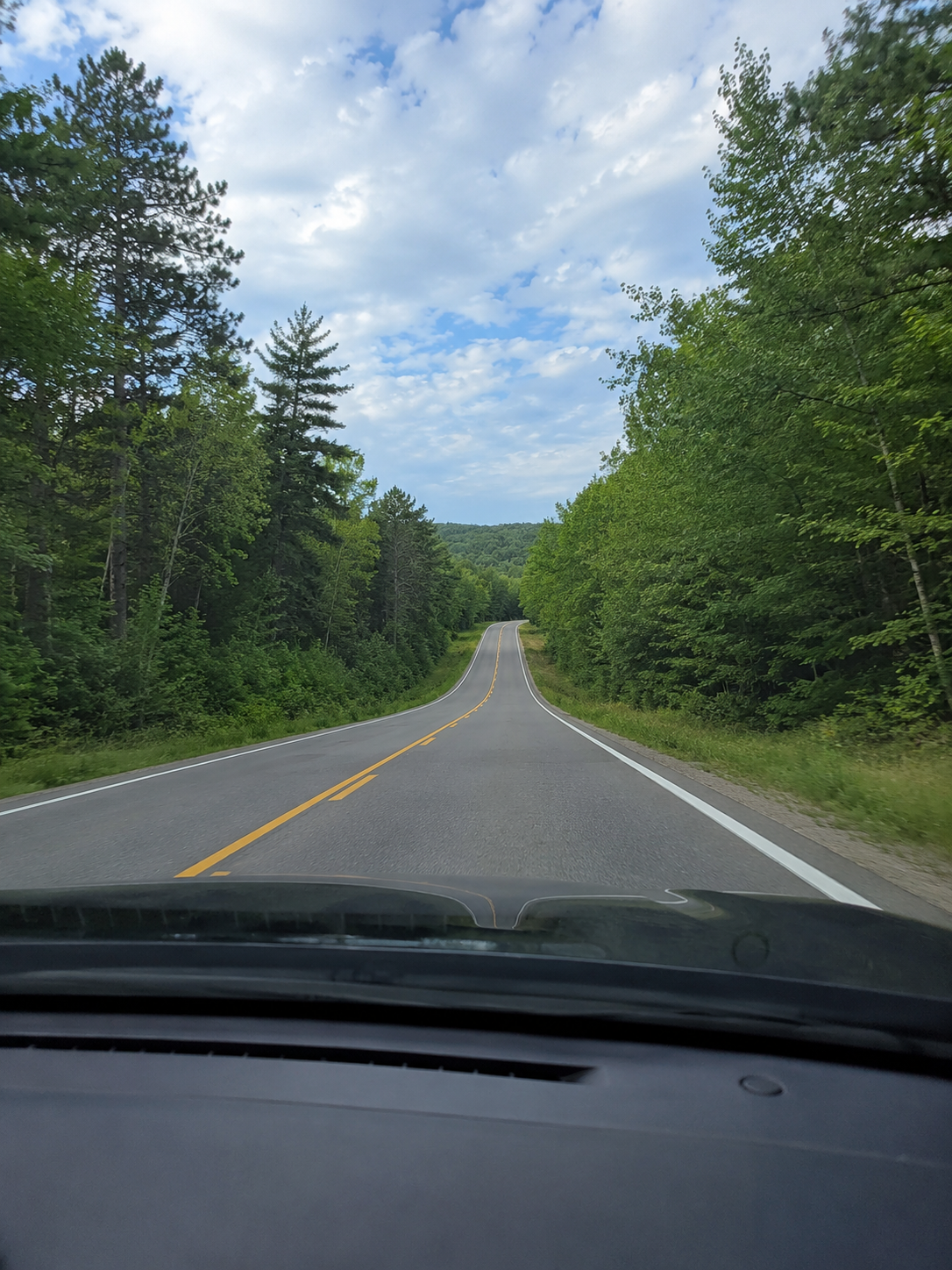
There are drives in Northern Michigan that feel like they're about arrival, and then there are drives that get better the moment you stop treating them that way.
On the stretch between Traverse City and Mackinaw City, US-31 has a way of training your eyes toward the famous names ahead. But the best trips north change when you start turning off for the places that usually blur by in the side window: a village on a bay, a town between lakes, a crossroads with a farm-market rhythm, an inland-waterway stop where the beach is never in a hurry.
This route is for travelers who feel like they've already done Northern Michigan and want the quieter version now. The one with public beaches instead of packed promenades, local cafés instead of polished resort dining rooms, and inland towns that remind you this region is just as much about lakes, rivers, orchards, and back roads as it is about the big shoreline names.
Affiliate disclosure: This post may contain affiliate links. If you book through my link, I may earn a small commission at no extra cost to you.
Planning your own Northern Michigan road trip? You can browse tours and travel experiences here: vi.me/JuuKl
Why This Stretch Feels Better When You Slow Down
Between Traverse City and Mackinaw City, most people stay on the obvious line and save their stops for the best-known coastal towns. But this part of Northern Michigan gets more interesting when you leave the bay, swing inland, and then drift back toward the water.
That means pairing small lakeside villages with inland communities that change the rhythm of the trip. It means letting a bakery stop matter as much as a beach stop. It means seeing the drive itself as a string of small discoveries instead of a straight shot north.
Elk Rapids
Set the scene
Elk Rapids is where I stop pretending this drive is just about getting somewhere. It eases me out of Traverse City without dropping me straight into full-on resort mode. The village sits on the East Arm of Grand Traverse Bay with Elk Lake tucked just behind it, so for a place this compact it feels almost improbably surrounded by water.
The vibe is tidy but not precious. There's a real main street, a working harbor, pocket parks, and enough public shoreline to remind you this is still a community built around the water, not just views of it.
Why it's worth a detour
What makes Elk Rapids worth the detour is how quietly it delivers what people chase elsewhere. You get the prettiness of bigger-name harbor towns without the constant performance of being on vacation.
This is a lakeside village you can actually use. Walkable blocks, coffee, a harbor and riverfront, a few shops, and year-round residents running everyday errands alongside visitors. Compared with the marquee harbor towns farther north, Elk Rapids feels less like a showcase and more like a place you can slip into for an afternoon.
Unique angles most people miss
The details most people miss are the ones that keep pulling me back. Public shoreline is scattered through the village, with parks and beaches on Grand Traverse Bay and quieter riverfront edges that feel almost like neighborhood secrets.
Downtown, the mix of cafés, small restaurants, galleries, and shops gives you plenty of reasons to linger without feeling like you've stepped onto a stage. It's the kind of place where even a short walk can turn into an hour.
Snippets of things to do
Grab coffee downtown and walk to the bay
Spend time at a village beach or small waterfront park
Browse the downtown shops and galleries at a slow pace
Watch boats move through the harbor in late afternoon
End the day with a casual drink or meal near the water
Where and how to stay
If I were staying over, I'd look for an old-school waterfront motel with easy beach access and sunset views, or a simple inn or upstairs rental where breakfast is a walk, not a drive.
The best nights in Elk Rapids feel small and easy: windows open to bay air, a short walk to the water before bed, and the sense that you never had to work hard for any of it.
Insider tips
Aim for the edges of the day. Midmorning, before downtown fully fills in, or the hour before sunset are when Elk Rapids feels least edited.
And because this is still a village, not a city strip, it pays to double-check seasonal hours for cafés, shops, and tasting rooms.
Eastport
Set the scene
A little farther north, Eastport feels like one of those places people remember only as that stretch between things, which is exactly why it's worth stopping. It sits near the narrow northern end of Torch Lake and close to Grand Traverse Bay, right along US-31.
The vibe is minimal and practical, more roadside hamlet than polished destination. It's the kind of place you might pass without noticing unless you've learned to appreciate towns that don't announce themselves.
Why it's worth a detour
Eastport is for travelers who want a pause that feels uncurated. There's a market, a few low-key places to stay, easy access to water, and room to breathe between bigger-name towns.
It doesn't try to charm you all at once. Instead, it rewards the kind of traveler who notices how rare it is to have both Torch Lake and Grand Traverse Bay so close, with none of the pressure to do much of anything.
Unique angles most people miss
The overlooked details here are wonderfully plainspoken. A simple market stop can reset the whole day: deli lunch, cold drinks, road-trip supplies, and one of those ordinary local places that still matters.
The other thing people miss is how close the public water access feels from everything else. You can turn a simple break in the drive into time beside a quiet stretch of shoreline without much effort.
Snippets of things to do
Pick up lunch and take it to the water
Spend an hour hunting for stones or just walking the shoreline
Take a scenic drive between Torch Lake and the bay
Pause for a simple meal instead of rushing north
Sit outside in the evening and listen to traffic thin out
Where and how to stay
I'd choose either a modest roadside inn or one of those cottages that feels half motel, half summer tradition.
Eastport isn't about luxury. It's about being able to park, drop your bag, and be within minutes of two very different kinds of water.
Insider tips
Don't over plan Eastport. It works best as a spontaneous stop, especially on a clear afternoon.
And if you're relying on a market or deli, stop earlier rather than later. Small-town timing matters here.
East Jordan
Set the scene
East Jordan sits at the south end of Lake Charlevoix's South Arm, tucked in a valley where the Jordan River meets the lake. It's a short detour off the main corridor, and it has a completely different feel from the resort towns on either side of it working-class in the best sense, with real industry, real residents, and scenery that doesn't need to be packaged to sell itself.
The vibe is grounded and unhurried. This is not a town that's trying to be Charlevoix or Petoskey. It's a town that knows exactly what it is, which makes it considerably more interesting than places that are still figuring that out.
Why it's worth a detour
What draws me to East Jordan is the Jordan River Michigan's first federally designated Wild and Scenic River, and one of the finest trout streams in the Lower Peninsula. The river valley is forested and cold and largely unchanged, which is rare enough in Northern Michigan to matter.
The town itself has a waterfront park, a small downtown, and the kind of local character that comes from a place that earns its living rather than performs it. East Jordan Iron Works has been casting manhole covers and municipal hardware here since 1883 — their products are under your feet in cities across America, which is a detail that somehow makes the town feel even more genuinely itself.
Unique angles most people miss
Most people don't make the detour to East Jordan at all. That's the opportunity. You get Lake Charlevoix access without Charlevoix prices, Jordan River valley trails that feel genuinely remote, and a town where the lunch counter is for locals and visitors alike.
The drive into town through the valley is beautiful on its own terms rolling hills, the river glimpsed through the trees, and that particular Northern Michigan light in late afternoon that makes everything look a little better than it already is.
Snippets of things to do
Walk the Jordan River or find a quiet stretch to sit beside
Explore the waterfront park on Lake Charlevoix's South Arm
Grab lunch downtown and take your time
Drive the Jordan River valley road toward Alba for one of the better back-road views in the region
Look up the Jordan River Pathway if you want a proper trail in old-growth river bottomland
Where and how to stay
East Jordan suits a simple motel, a river cabin, or a rental with lake or valley access. The right night here feels uncomplicated: a good meal in town, the sound of the river somewhere close, and none of the noise that follows the marquee resort towns after 10pm.
Insider tips
East Jordan is a detour, so account for the extra time and let it breathe. The Jordan River valley road toward Graves Crossing is worth the wander — it's the kind of drive that reminds you why you came to Northern Michigan in the first place.
Come hungry. The local diners and lunch spots here are real, not curated, and they keep their own hours.
Friske's Farm Market: The Stop You Shouldn't Skip
Before you head inland toward Bellaire or Central Lake, there's one roadside stop on US-31 that earns its own mention: Friske's Farm Market in Atwood. It sits right on the highway and has been a Northern Michigan institution for generations apple orchards, fresh cider, donuts made on-site, pies, preserves, and the kind of fruit stand that makes you pull over before you've consciously decided to.
Friske's is what the route tastes like in October when the apples come in, and in summer when the shelves are stacked with cherry products and the cider is cold. It's a five-minute stop that consistently becomes thirty. Build it into the drive and you won't regret it.
Bellaire
Set the scene
Bellaire is inland, but it has a very different energy than the more rural stops around it. Set in the Chain of Lakes area, Bellaire feels like a real small town with some lift to it: a downtown with movement, nearby lake access, and that sense that the outdoors and the main street still belong to the same place.
The vibe is lively but still grounded. It has just enough buzz to keep you lingering, without tipping into resort-town self-consciousness.
Why it's worth a detour
Bellaire is where I'd go for an inland stop that still hums a little. It has all the pleasure of being up north without forcing everything through a Lake Michigan harbor identity.
The air feels woodsy and lake-cool. The pace is slower than the coast's marquee towns. And the people you see around town tend to look like they came to run an errand or meet a friend, not just pose for a weekend.
Unique angles most people miss
Most people know Bellaire for beer, and that's fair, but the place opens up when you include the quieter edges. A bakery morning, a public lake access point, a wetland boardwalk, or a slow drive through the Chain of Lakes area all help explain why Bellaire works.
It's a town where you can shift from pastry to paddling to pine shade without ever feeling like you're working too hard at vacation.
Snippets of things to do
Start with coffee or a bakery stop downtown
Spend time on a nearby lake or public access site
Take a quiet walk through a nature preserve or boardwalk area
Settle in for a casual lunch, beer, or early dinner
Drive the surrounding back roads with no real urgency
Where and how to stay
Staying in Bellaire can go two ways, both good. You can choose a cozy village rental or inn where you can walk downtown, or lean into the broader area with cabins, campgrounds, and lake stays.
A night here feels flexible. Social if you want it to be, quiet if you don't.
Insider tips
Bellaire is one of the inland towns on this route that holds up well in shoulder season. Spring and fall are especially good here.
Still, check hours. A bakery morning and a brewery evening are usually safer bets than assuming everything runs all day.
If you want to mix a quiet road trip with a few bookable experiences along the way, you can browse options here: vi.me/JuuKl
Central Lake
Set the scene
Central Lake feels like the quieter companion to Bellaire. It sits inland on the Chain of Lakes, east of US-31 but close enough to fit naturally into a Traverse City-to-Mackinaw City meander.
The vibe is classic Northern Michigan small town: a compact center, everyday businesses, and lake access that feels folded into daily life instead of marketed around the edges.
Why it's worth a detour
I'd detour here for travelers who want the lakes without the scene. Central Lake feels less interpreted than the better-known towns around it.
The beauty is there, but you have to notice it in the ordinary way the town meets the water. That's part of what makes it appealing.
Unique angles most people miss
What I like most here are the low-key details. A small downtown drink stop, a quiet shoreline access point, or an unhurried walk near the water can be enough.
Central Lake doesn't reveal itself in five rushed minutes. It asks for a slower kind of attention, which is exactly why it fits this route.
Snippets of things to do
Walk or sit near the lake for a while without much agenda
Grab a drink or casual bite in town
Launch a kayak or look for a quiet shoreline stop
Stroll the main street and notice who's actually using it
Drive the surrounding lake roads just before sunset
Where and how to stay
Central Lake feels right in a simple lakeside rental, a cabin near the Chain of Lakes, or a no-fuss room where the point is access, not amenities.
The atmosphere I'd chase here is quiet deck, morning coffee, and the sound of a boat trailer somewhere down the road.
Insider tips
Respect the scale of the town. A lot of what's appealing here is small, and that includes hours.
This is a good place to arrive with curiosity instead of a packed checklist.
Alanson
Set the scene
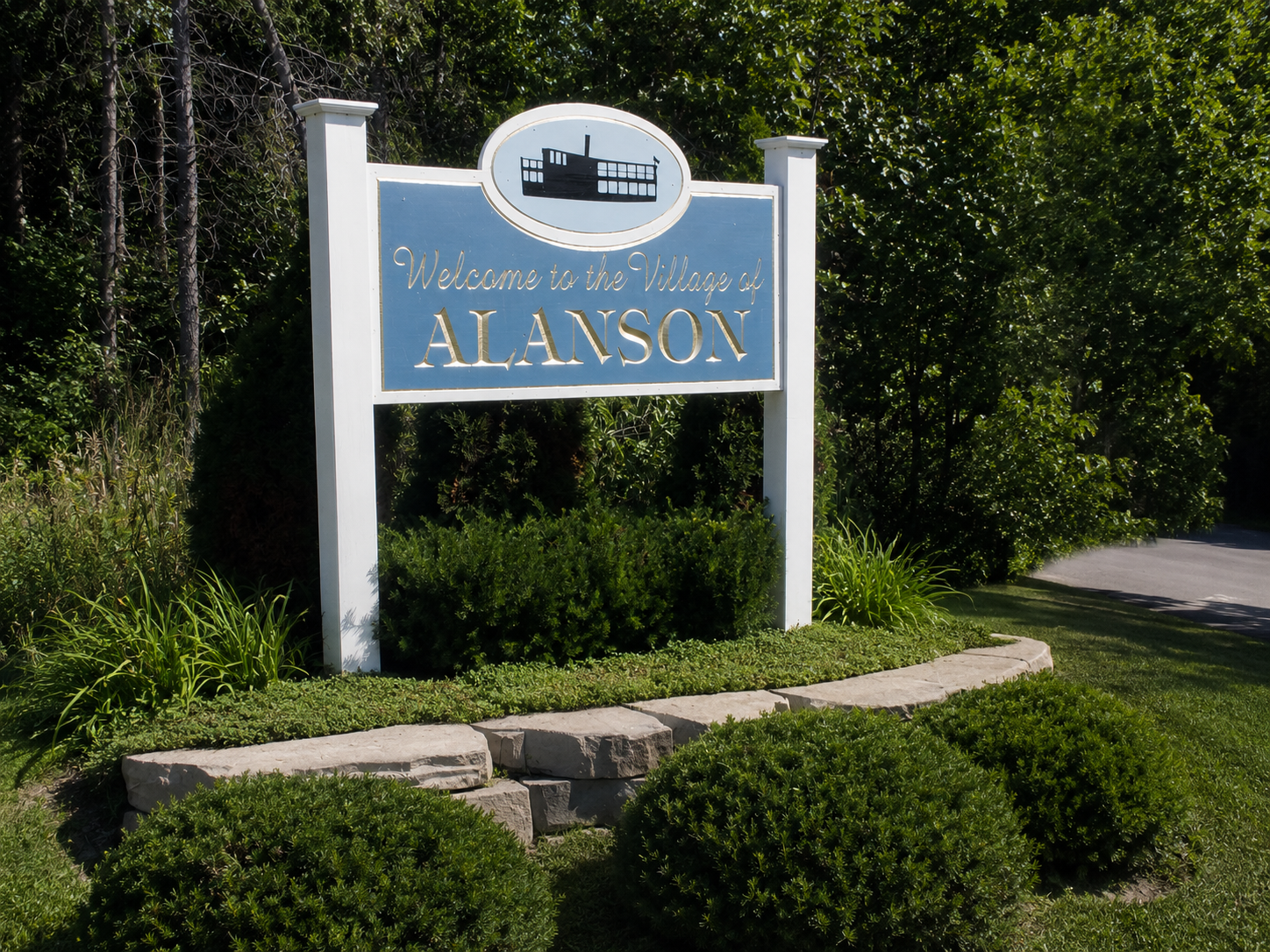
By the time I reach Alanson, the drive north starts to feel more like a waterway than a highway. The village sits in Emmet County where the Crooked River connects Crooked Lake to Burt Lake — part of the Inland Waterway that threads through this whole region. Boats pass through town on their way from lake to lake. Anglers know the corners. The water is the point.
The vibe is spare and settled in the best way. There's a main street, a marina feeling, and that particular Inland Waterway culture of people who care more about what the current is doing than what's trending anywhere else.
Why it's worth a detour
Alanson is for travelers who've started to understand that the Inland Waterway is its own Northern Michigan experience — distinct from the Lake Michigan coast, quieter than the resort towns, and deeply tied to a way of using the water that hasn't changed much in a hundred years.
The historic wooden trestle bridge overhead — now part of the North Central State Trail — is one of those details that makes you stop walking and just look up. It's the kind of landmark that feels genuinely earned rather than installed for effect.
Unique angles most people miss
The best thing about Alanson is how specific its appeal is. A walk to the river, a stop at a local diner, time near the marina watching boats navigate the Crooked River — these are pleasures that don't scale up, which is precisely why they hold up.
The trestle trail is also a genuinely good way to arrive or depart: on foot or by bike, above the river, with the village spread out below in a way that makes it look like exactly what it is — a place built around water that never pretended to be anything else.
Snippets of things to do
Walk across or beneath the historic wooden trestle bridge
Watch boats navigate the Crooked River through the village
Find a local breakfast spot and take your time
Bike a stretch of the North Central State Trail
Pause near the water and let the Inland Waterway rhythm settle in
Where and how to stay
Alanson suits a waterfront cottage, a simple cabin, or a motel close enough to the river to hear boats in the morning.
The right overnight here feels like a dock, a screened porch, and one light left on in the kitchen.
Insider tips
Treat Alanson like a pause, not a production. It works best when you stop expecting a big downtown reveal and start paying attention to the water instead.
If you're here in peak summer, the marina and river access spots get busy on weekends. Early morning is when the village is most itself.
Burt Lake Area
Set the scene
I'm counting the Burt Lake area as one stop because that's how it works in real life: less one single town than a cluster of access points, shoreline pockets, and small communities around a big inland lake. It sits just east of the main corridor and is deeply tied to the Inland Waterway.
The vibe is expansive but unshowy. Even when there are boats around, Burt Lake feels roomy, as if there's always another quieter edge just up the shore.
Why it's worth a detour
This is where I'd go when I want up north without coastal polish. Burt Lake feels different because the scale is big but the culture around it stays practical: launches, parks, beaches, campgrounds, marinas, and river mouths instead of a polished downtown strip.
It isn't trying to sell you village charm. It's giving you access, space, and a calmer kind of summer day.
Unique angles most people miss
A lot of travelers overlook just how much of the Burt Lake experience is about public access. Parks, state land, launch sites, and shoreline points make this area feel built for people who like being near the water more than shopping beside it.
It also has that classic inland-lake personality: cabins, coolers, boat trailers, camp chairs, and people who understand that the day really begins at the launch.
Snippets of things to do
Spend a morning at a lake beach or state park
Launch a kayak, canoe, or boat
Explore the edges of the Inland Waterway nearby
Grab an unfussy meal in a nearby small town
Find a public shoreline spot and stay until the light changes
Where and how to stay
The Burt Lake area works best in a classic campground, a knotty-pine cabin, or a rental with direct water access.
A night here should feel like damp towels on a railing, a late campfire, and the soft sound of boats coming back in.
Insider tips
Summer afternoons can get busier around the obvious park and launch points, so I prefer early morning or evening.
And if you're using a public launch, move with patience. Boat-ramp courtesy is part of fitting in.
Topinabee
Set the scene
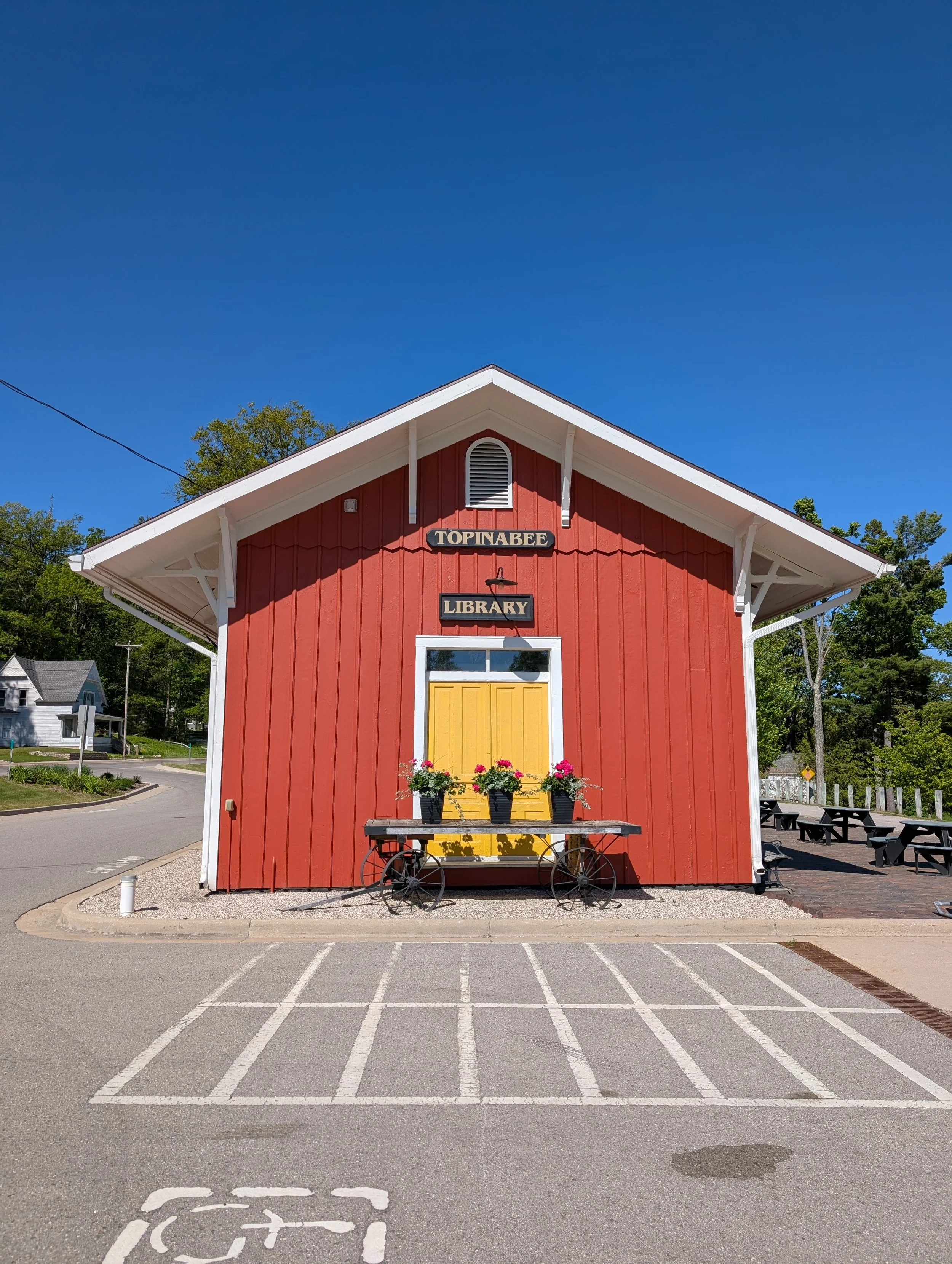
Topinabee is the kind of place many travelers have seen without really registering. It sits north of Indian River on Mullett Lake, close to the last stretch toward Mackinaw City, with a rail-trail and public waterfront that give it a surprisingly complete little center.
The vibe is sleepy lake village in the best way: small, open to the water, lightly nostalgic, and just active enough to feel loved.
Why it's worth a detour
This is one of my favorite detours on the whole route because it feels so unforced. Topinabee offers the inland-waterway version of a beach town, but quieter and more local than most travelers expect.
The pace is soft. The scenery is broad and blue. And the personality comes from old rail history, trail culture, and the fact that the village still revolves around a public waterfront instead of a commercial strip.
Unique angles most people miss
The best details are close together here. A beach park, a short walk, a historic building, and a meal stop can all fit into one very easy afternoon.
That compactness is part of Topinabee's charm. It feels less like a town you tackle and more like one you settle into.
Snippets of things to do
Walk or bike a stretch of trail through the village
Spend time at the public beach or waterfront park
Sit by Mullett Lake and watch the day change
Grab a casual meal or drink nearby
Stay into evening, when the whole place quiets down
Where and how to stay
Topinabee is made for rustic cabins, lakeside cottages, and simple motels where the biggest luxury is how close the water is.
A night here should feel unvarnished in the best way: knotty pine, a camp chair by the lake, maybe a fire, definitely a slower pulse.
Insider tips
Catch Topinabee in the shoulder hours. Early morning on the trail or late evening on the waterfront gives you the village at its best.
And because it's small, assume services are selective rather than constant. This is a place to adapt to what's open, not demand a full menu of options.
A Few Ways to Use This Route
If you want one lakeside village and one inland town
Pair Elk Rapids with Bellaire, or Eastport with East Jordan.
If you want the quietest version of this drive
Build the trip around East Jordan, Central Lake, Alanson, and Topinabee.
If you want a mix of water and back roads
Do Elk Rapids, Bellaire, Burt Lake, and Topinabee in one long, meandering northbound run — and stop at Friske's on the way through Atwood.
If you want the full Inland Waterway experience
Connect Alanson, Burt Lake, and Topinabee as a single thread — three stops, one continuous waterway, and a completely different sense of what Northern Michigan is made of.
If this drive inspires your next up north trip, you can browse activities and travel experiences here: vi.me/JuuKl
Final Thoughts
If you're planning another up north trip, make one promise to yourself: add at least one inland town and one lakeside village from this list. Pair Bellaire or East Jordan with Elk Rapids. Pair Central Lake with Topinabee. Pair the Burt Lake area with Alanson and you'll feel the difference immediately — the drive stops being a corridor and starts being the trip itself.
Stop at Friske's on the way through. It's a five-minute pull-off that will end up being one of the things you remember.
The drive between Traverse City and Mackinaw City does not have to be a straight shot to the biggest names. It can be a string of smaller discoveries instead: a river valley in Antrim County, a wooden trestle over a Inland Waterway river, a village where the best thing to do is sit near the water and realize you almost drove past it.