Traverse City Wine Tours: The Complete Guide to Northern Michigan Wine Country (2026)
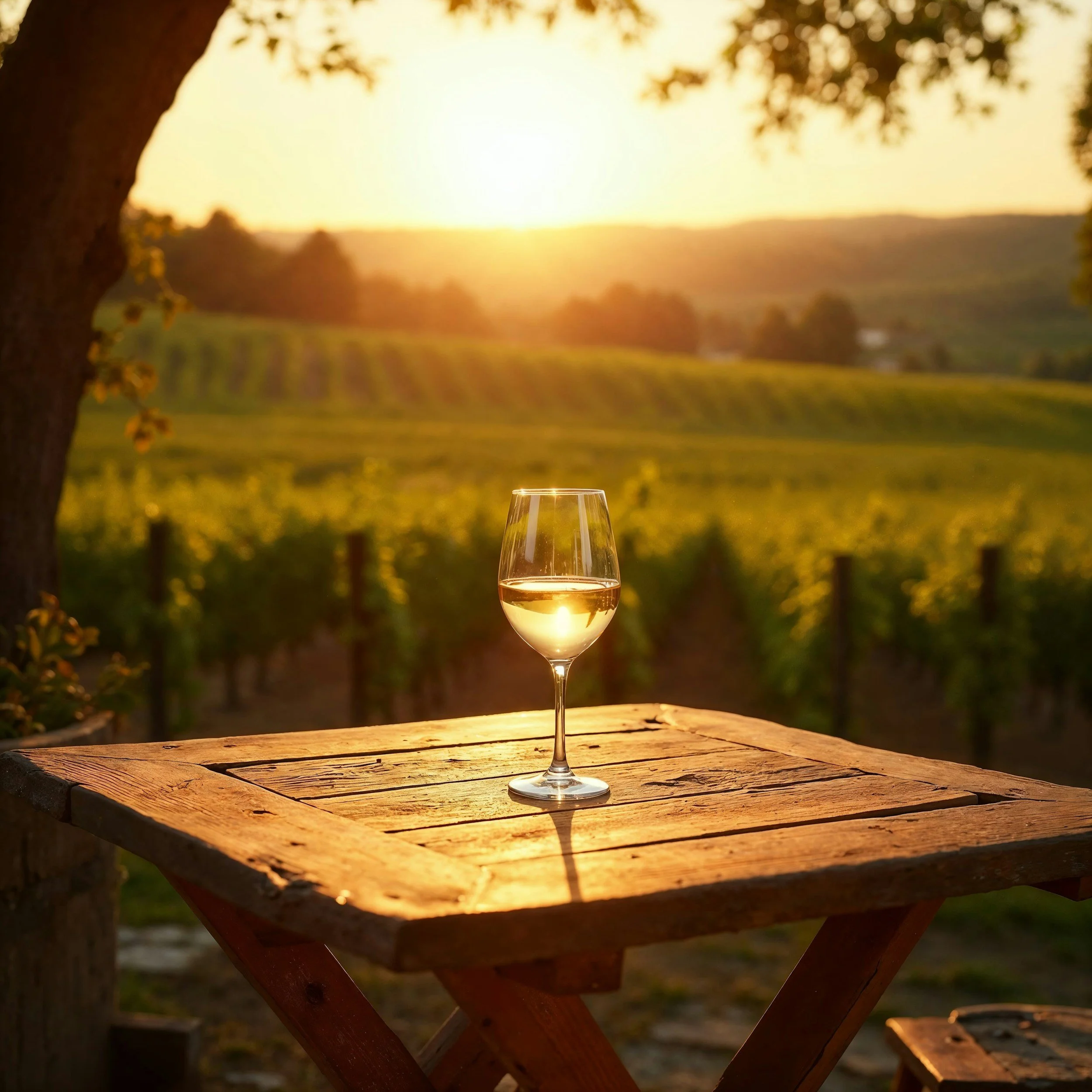
If you've been sleeping on Michigan wine, you're not alone — and you're about to have your mind changed. Traverse City sits at the heart of one of the most exciting wine regions in America, with two distinct peninsula wine trails producing world-class whites and increasingly impressive reds that have started turning heads in national wine circles. The combination of cool Great Lakes temperatures, sandy glacial soils, and that magic 45th parallel location — the same latitude as Burgundy and Bordeaux — creates growing conditions that serious winemakers have been quietly exploiting for decades.
This guide covers everything you need to plan a great wine day (or weekend) in Traverse City: the difference between the two peninsulas, the best wineries on each, how guided tours work and why they're worth it, what to drink and when to go, and how to eat well in between pours. Whether you're a wine enthusiast who wants depth, a couple looking for a romantic afternoon, or a group that just wants someone else to handle the driving — this is the guide.
— — —
Understanding the Two Wine Peninsulas
Traverse City wine country is split between two distinct geographic areas, each with its own character, landscape, and wine personality. Understanding the difference helps you decide where to focus — or whether to do both.
Old Mission Peninsula
Old Mission Peninsula is a narrow strip of land, less than three miles wide in places, that juts 18 miles north into Grand Traverse Bay. It's almost exactly on the 45th parallel — precisely halfway between the equator and the North Pole, the same latitude as Bordeaux, France. The deep cold water of the bay on both sides moderates temperatures dramatically, extending the growing season and protecting vines from late frosts.
The peninsula has around a dozen wineries concentrated along M-37, the road that runs the length of the peninsula to the lighthouse at the tip. It's compact and easy to cover in a single day. The dominant varieties are Riesling, Pinot Gris, Chardonnay, and Pinot Noir, with some exceptional late-harvest and ice wine production in strong vintages.
Old Mission is also stunningly beautiful — every winery has views of the bay, and the drive itself through cherry orchards and vineyards is worth doing even if you don't stop.
✦ Local Tip: Drive to the Old Mission Peninsula Lighthouse at the very tip of the peninsula. It sits exactly on the 45th parallel and has a small beach where you can watch the sunset with the bay on both sides of you. It's free, it's beautiful, and almost no tourists bother to go that far.
Leelanau Peninsula
Leelanau Peninsula is larger, more spread out, and in many ways more interesting for serious wine explorers. It curves northwest of Traverse City like a crooked finger reaching into Lake Michigan, and it contains over 25 wineries ranging from large, well-known operations to tiny boutique producers you'll only find by driving down unmarked gravel roads.
Leelanau's wine character is slightly different from Old Mission — the soils are more varied, the microclimates more diverse, and the overall production style tends toward richer, more textured wines. Black Star Farms, Chateau Grand Traverse, and Shady Lane Cellars are among the best-known names, but the smaller operations — Boathouse Vineyards, Bel Lago, Ciccone Vineyard — offer the most interesting discoveries.
The town of Suttons Bay on the eastern shore is an excellent base for Leelanau exploration — a walkable village with tasting rooms, excellent restaurants, and a beautiful harbor.
✦ Local Tip: Leelanau Peninsula takes a full day to cover properly. If you're doing both peninsulas, do Old Mission one day and Leelanau the next. Rushing either is a mistake.
— — —
Guided Wine Tours: Why They're Worth It
Here's the honest truth about self-guided wine tours: they sound like a great idea and then someone has to drive and you end up seeing three wineries instead of six and the driver is resentful. Guided tours solve the only real problem with wine country — transportation — while adding expert knowledge, pre-arranged reservations, and a pace that actually lets you enjoy the day.
Guided tours in Traverse City range from small-group van tours to private driver experiences. The best ones include reserved tastings at four to six wineries, knowledgeable guides who can explain what you're tasting and why, and enough flexibility to linger where you love and move on where you don't.
👉 The top-rated Old Mission Peninsula wine tour — book it here before it sells out →
This guided tour consistently receives some of the highest ratings of any experience in Traverse City. It covers the peninsula's best wineries with reserved tastings, handles all the driving, and typically runs three to four hours. It's the single best way to experience Old Mission if you're only there for a day.
✦ Local Tip: Book wine tours at least two weeks in advance for summer dates — June and July fill up fast. If you're visiting over a holiday weekend, book a month out.
👉 Browse all Traverse City wine and food experiences on Viator →
— — —
Best Wineries on Old Mission Peninsula
Chateau Chantal
Chateau Chantal sits on a bluff above the bay with some of the most dramatic views in Northern Michigan wine country. The main building looks like a French château and houses both the tasting room and a beautiful inn. Their Rieslings are exceptional, their sparkling wines are underrated, and the view from the tasting room terrace is the kind of thing you'll describe to people for years. They also offer a Bed & Breakfast experience that makes for an unforgettable wine country overnight.
Brys Estate
One of the younger but most respected operations on the peninsula, Brys Estate has a gorgeous modern tasting room, excellent Pinot Noir, and a beautiful patio that looks north toward the lighthouse. Their barrel tastings and food-and-wine pairing experiences are among the best structured options on Old Mission.
Black Star Farms (Old Mission Location)
Black Star Farms has two locations — one on Old Mission and one on Leelanau — and both are excellent. The Old Mission location has a beautiful setting and excellent sparkling wine. If you're visiting both peninsulas, you can compare the same winery's wines across two different terroirs, which is a genuinely interesting exercise.
Peninsula Cellars
Housed in a converted 100-year-old schoolhouse, Peninsula Cellars is one of the most charming tasting room settings on the peninsula. Their wines are consistently well-made and fairly priced, and the informal, unpretentious atmosphere makes it a good contrast to some of the more formal operations.
✦ Local Tip: Many Old Mission wineries close or reduce hours on Mondays and Tuesdays. Check hours before you go, especially in shoulder season.
— — —
Best Wineries on Leelanau Peninsula
Shady Lane Cellars
A consistently excellent producer in a converted 19th-century fieldstone building that used to be a chicken coop (the tasting room is called 'the coop'). Their Pinot Grigio and sparkling wines are standouts, and the property — surrounded by vineyards on a quiet back road — has a quieter, more contemplative energy than some of the busier stops.
Black Star Farms (Leelanau Location)
The Leelanau flagship location is larger and more elaborate than the Old Mission one — it includes an inn, a restaurant, an equestrian center, and a working farm alongside the winery. Their Arcturos Pinot Noir is one of the best Michigan Pinots, and the overall experience is sophisticated without being precious.
Bel Lago Vineyard
A smaller, family-owned operation that produces some of the most interesting wines on Leelanau. Their white wines — particularly the Pinot Grigio and Gewürztraminer — are outstanding, and the intimate tasting room setting makes for a genuinely warm experience. This is the kind of place you tell friends about.
Chateau Grand Traverse
The original Grand Traverse wine pioneer — established in 1974 by Ed O'Keefe, who was told Michigan couldn't grow wine grapes and proved everyone wrong. Their Dry Riesling is the benchmark for Michigan white wine, and the historical significance of the operation adds context to everything you taste here. Worth including in any Leelanau itinerary.
✦ Local Tip: Suttons Bay has a walkable wine district with several tasting rooms right in town. If your feet are tired from vineyard-hopping, a Suttons Bay afternoon lets you park once and walk between stops.
— — —
What to Drink: Northern Michigan Wine Styles
Riesling — The Flagship
Michigan Riesling is genuinely world-class, and the dry-to-off-dry styles from Old Mission and Leelanau are as good as anything produced outside of Alsace or the Mosel. The high acidity and mineral character of Great Lakes Riesling makes it exceptional with food, particularly the cherry-forward and fish preparations you'll encounter throughout the region. Try it first at every stop.
Pinot Gris / Pinot Grigio
The cool climate produces Pinot Gris with more texture and complexity than most Italian Pinot Grigio. Look for versions with some richness and spice — the best examples are full enough to pair with white fish and light meat dishes.
Pinot Noir
Michigan Pinot Noir has improved dramatically in the last decade, and the best examples from Old Mission and Leelanau are serious wines worth cellaring. They tend to be lighter in body and higher in acidity than California Pinot — more Burgundian in style, which is appropriate given the latitude. The Black Star Farms Arcturos is the benchmark.
Sparkling Wine
Several producers make excellent sparkling wines using traditional Champagne methods — Chateau Chantal and Black Star Farms are the leaders. Michigan sparkling at good producers is legitimately impressive and substantially more affordable than comparable Champagne. Buy a bottle for the drive home.
— — —
Where to Eat in Traverse City Wine Country
The food scene around Traverse City wine country has matured significantly, and several restaurants have built genuine relationships with the local farms and producers.
Trattoria Stella in downtown Traverse City is the best restaurant in Northern Michigan — full stop. Located improbably in a former psychiatric facility, it serves sophisticated Italian food built almost entirely around local ingredients. Reservations are essential and should be made weeks in advance for summer visits.
The Cooks' House is a tiny, intimate spot with a seasonal menu that changes based on what's available locally that day. No website, no social media, just an address and a phone number. It regularly appears on lists of the best restaurants in Michigan.
For a more casual option near the wineries, Cook's Kitchen in Old Mission is excellent for lunch, and several of the wineries themselves — Brys Estate and Chateau Chantal particularly — serve good food on-site.
✦ Local Tip: Make dinner reservations before you leave home, not when you arrive. The best Traverse City restaurants in July are booked out days or weeks in advance.
— — —
When to Visit Traverse City Wine Country
Summer (June–August)
Peak season. All wineries are open, the weather is beautiful, and the bay views from the vineyards are at their most stunning. July is the busiest month — the National Cherry Festival (first full week of July) brings massive crowds. June and August are nearly as beautiful with significantly fewer people.
Fall (September–October)
The best-kept secret in Northern Michigan wine tourism. Harvest season runs September through October, and visiting during harvest means you might catch crush at the wineries, the vines are at their most photogenic in fall color, and the entire peninsula slows to a beautiful, unhurried pace. Prices drop, crowds thin, and the experience deepens.
✦ Local Tip: Several wineries host harvest events and dinners in September and October. Check individual winery websites for fall events — they often sell out but are worth the effort to attend.
Winter (November–April)
Many wineries close or reduce hours significantly in winter. Old Mission Peninsula in particular is quiet. This is the season for serious wine buyers who want to spend unhurried time with the winemakers — if that's you, call ahead and ask about winter visits. Some producers love the off-season appointments.
— — —
Practical Planning Tips
Getting Around
A car is essential for Leelanau Peninsula — the wineries are spread across many miles. Old Mission is more compact and easier to cover if you're doing a self-guided tour. For either peninsula, the most sensible approach is to book a guided tour and not think about logistics at all.
👉 The top-rated Traverse City wine tour — book your spot here →
What to Budget
Most tasting rooms charge $10-20 per person for a standard tasting of four to six wines. Some premium experiences run higher. A full day of self-guided wine touring for two — including gas, tastings, and lunch — typically runs $100-200 before purchases. Guided tours run $75-150 per person and are worth every dollar for groups who want a stress-free day.
Shipping Wine Home
Michigan wineries can ship to most states, and most offer shipping services in the tasting room. If you fall in love with a specific bottle, ask about buying a case — most wineries offer case discounts of 15-20%, and shipping a case is often more cost-effective than carrying bottles on a plane.
— — —
Frequently Asked Questions About Traverse City Wine Tours
What is Northern Michigan known for?
Northern Michigan is known for its crystal-clear inland lakes, miles of Lake Michigan shoreline, world-class wineries on Old Mission and Leelanau peninsulas, Mackinac Island (America's only car-free resort island), Sleeping Bear Dunes National Lakeshore, spectacular fall color, cherry farming, and a pace of life that feels like it belongs to a different era. It's one of the most beautiful and underrated destinations in the United States.
When is the best time to visit Northern Michigan?
Each season makes its own case. Summer (June–August) offers warm beaches, all wineries and attractions open, and peak energy — but also peak prices and crowds. Fall (September–October) is the insider's favorite: harvest season at the wineries, extraordinary foliage, fewer crowds, and lower prices. Winter (December–March) is for skiers and people who want the solitude of snow-covered dunes. Spring (May) brings cherry blossoms, wildflowers, and uncrowded roads.
Is Mackinac Island worth visiting?
Absolutely — there's genuinely nowhere else in the United States quite like it. No cars since 1898, stunning Victorian architecture, a well-preserved 1780 British fort, world-famous fudge, and a setting at the meeting of Lake Huron and Lake Michigan. Plan for at least a full day arriving on the first morning ferry. Spending one night on the island transforms the experience entirely.
How many days do you need in Northern Michigan?
Three days gives you a solid introduction: Sleeping Bear Dunes, wine country, and downtown Traverse City. Five days allows you to add Mackinac Island and explore at a relaxed pace. Seven or more days reveals the region's real depth — Petoskey, Charlevoix, Leelanau Peninsula villages, and the quiet pleasures that bring visitors back year after year.
Is Traverse City wine country worth visiting?
Absolutely. The combination of world-class Riesling, beautiful peninsula landscapes, and genuinely warm hospitality makes Traverse City wine country one of the best underrated wine destinations in the country. People come expecting to be politely impressed and leave genuinely converted.
How long does a wine tour take?
A half-day self-guided tour covers three to four wineries comfortably. A full day covers five to seven. Guided tours typically run three to four hours and cover four to six wineries with reserved tastings.
Do I need to make reservations at wineries?
For major wineries in summer, reservations are strongly recommended, especially on weekends. Walk-ins are usually accommodated on weekdays, but reservations guarantee your spot and often result in better service. Guided tours handle all reservations for you.
What is the best winery in Traverse City?
The 'best' depends on what you're looking for, but Chateau Grand Traverse (historical significance and benchmark Riesling), Chateau Chantal (views and sparkling wine), and Black Star Farms (overall quality and experience) are the most consistent across all metrics. For boutique discovery, Bel Lago and Shady Lane Cellars are the insider picks.
Can you do Traverse City wine tours without a car?
Self-guided tours require a car — the peninsula wineries are spread too far apart for any other transportation. For car-free wine touring, book a guided tour, which handles all transportation. This is also the safest and most enjoyable approach regardless of whether you have a car.
👉 Browse guided Traverse City wine tours on Viator →
— — —
Plan Your Traverse City Wine Country Visit
The Michigan wine country story is still being written — and right now, in 2026, it's at an exciting chapter. The wines are better than they've ever been, the chefs have caught up to the winemakers, and the visitors who discover it early will be the ones telling everyone else about it in five years.
Book your guided wine tour through Viator and spend the day doing what you actually came for.
Michigan wine will surprise you. It always does.
— — —
— — —
Where To Stay in Northern Michigan
Northern Michigan has accommodation options at every level, from iconic historic hotels to waterfront cottages and boutique B&Bs. Your base determines your experience — here's how to choose.
Traverse City
The hub of Northern Michigan tourism and the best base for most itineraries. Traverse City puts you 25 minutes from Sleeping Bear Dunes, at the doorstep of both wine peninsulas, and within easy striking distance of Petoskey, Charlevoix, and Leelanau Peninsula towns. The downtown West Bay waterfront area has excellent dining and hotels at multiple price points. July and August book out months in advance — plan early.
👉 Browse Traverse City hotels and tours on Viator →
Petoskey
A Victorian resort town on Little Traverse Bay with a walkable Gaslight District, exceptional Lake Michigan sunsets, and a calmer character than Traverse City. Better positioned for Charlevoix day trips, Boyne Mountain skiing, and the quiet towns of the northern Lower Peninsula. A great choice for travelers who want quality without peak-season Traverse City crowds.
Charlevoix
One of Michigan's most charming harbor towns, where a drawbridge on Main Street opens for sailboats and the view down the channel to Lake Charlevoix is worth the drive alone. Easy access to Beaver Island (Michigan's most remote inhabited island), Boyne City, and a genuinely unhurried harbor-town pace. Excellent for families and couples who want lakefront character over resort-town energy.
Mackinac Island
Staying overnight on the island transforms the experience entirely. After the last ferry leaves, the crowds evaporate and Mackinac becomes nearly magical — quiet streets, horse hooves on cobblestone, and starlight over the Straits. The Grand Hotel is the iconic choice for special occasions; Mission Point Resort suits families; Hotel Iroquois is the boutique pick. All island lodging books fast for summer weekends. Worth it for at least one night if your budget allows.
👉 Browse Mackinac Island tours and overnight packages on Viator →
— — —
More Ways to Experience Northern Michigan
The best Northern Michigan trips combine multiple experiences. Here are more ways to make the most of your time on the water and in the region:
🚣 Kayaking Tours — Explore the crystal-clear waters of Torch Lake, Leelanau Peninsula, or the Lake Michigan shoreline by kayak. Guided tours include instruction and are perfect for first-timers.
👉 Book kayaking tours in Northern Michigan →
🌅 Sunset Cruises — Grand Traverse Bay at sunset is one of the most beautiful things in the Midwest. Multiple operators run sunset sailing and motor cruises from Traverse City's waterfront.
👉 Book a sunset cruise on Grand Traverse Bay →
🍷 Wine Tours — Old Mission and Leelanau Peninsula wine tours are among the top-rated experiences in the region. Guided tours handle transportation so you can enjoy the tastings.
👉 Book the top-rated Old Mission wine tour →
🎣 Fishing Charters — Northern Michigan is world-class fishing territory: salmon, lake trout, and walleye in Lake Michigan; bass, pike, and perch on inland lakes. Half-day and full-day charters depart from Traverse City, Frankfort, and Charlevoix.
👉 Book a fishing charter in Northern Michigan →
🪂 Parasailing — For a perspective on Mackinac Island and the Straits that almost no visitor ever gets, parasailing from Mackinaw City puts you 400 feet above the water looking down at the bridge, the island, and two Great Lakes meeting below you.
👉 Book parasailing near Mackinac Island →
⛵ Boat Rentals — Rent a pontoon, sailboat, or speedboat and explore the bay, inland lakes, or Lake Michigan shoreline on your own schedule. Multiple marinas in Traverse City rent by the hour or day.
👉 Browse boat rentals and tours in Northern Michigan →
Written by Lisa Knox · Northern Michigan Travel Guide · northernmichigantravelguide.tips · Updated 2026